
MY WRITING JOURNEY
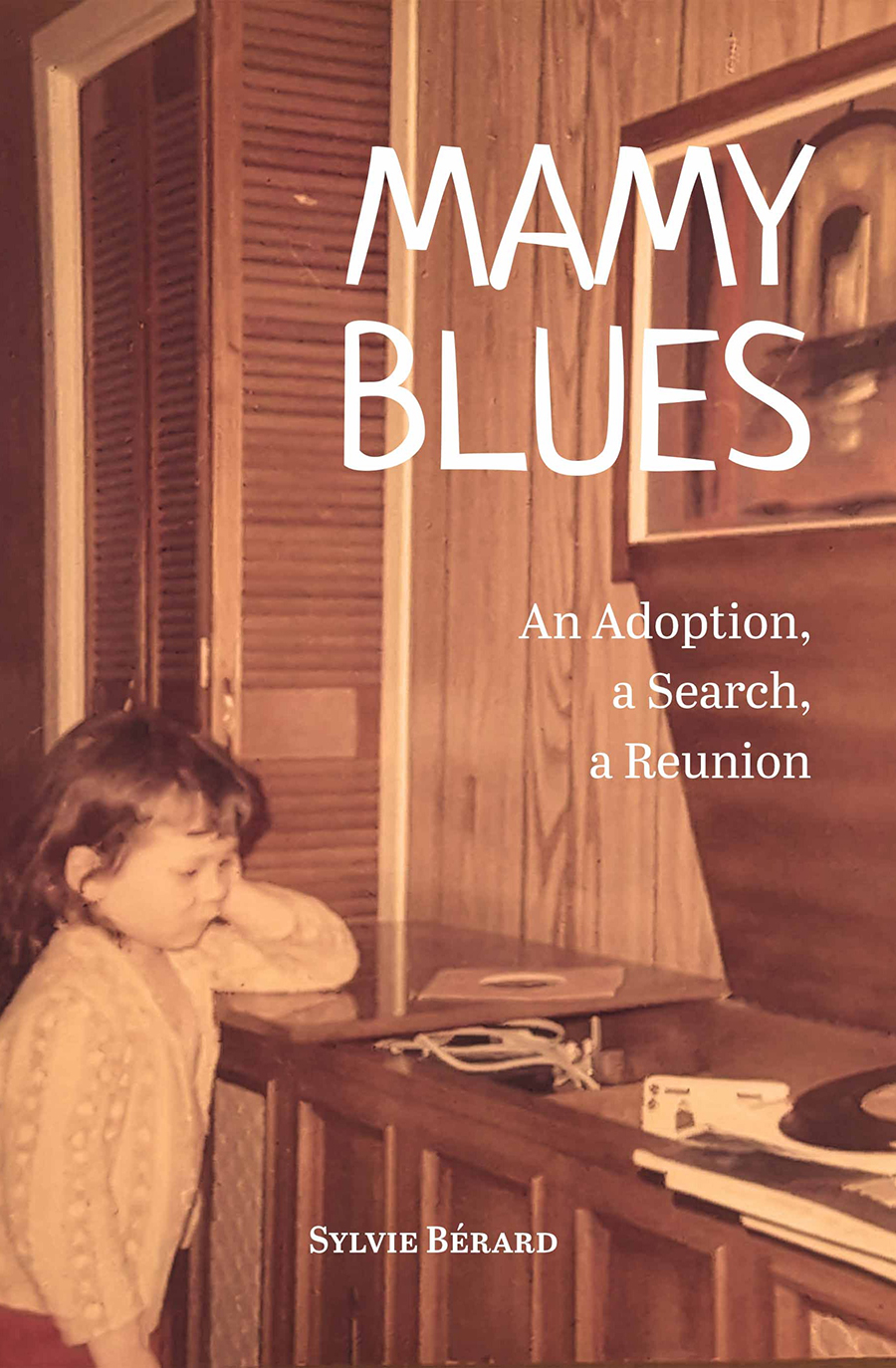 There’s nothing particularly special about my story, other than the fact that I was adopted. I wrote this book because I felt compelled to share something about adoption and reunion, experiences that are anything but ordinary. Like many adoptees, I devoted years of effort to finding my first parents, encountering obstacles familiar to countless others, even though every adoptee’s path is uniquely their own.
In the first months of reunion, I realized how little I truly understood about the impact of separation and adoption on my own development. I lacked the vocabulary to describe what I had lived through and struggled to name emotions that often overwhelmed me. Reading and listening to the testimonies of other adoptees reminded me that I wasn’t alone in having such an experience and helped me understand my own.
The more I learned about my past, my parents, and my roots, the clearer it became that reunion was not an ending, but the beginning of a different journey, one that opened into a new reality I needed to understand and navigate.
Writing became an essential companion. It naturally became the most meaningful way to express certain aspects of the adoptee experience and to connect with others who might see their own stories, questions, or emotions reflected in mine. What began as an autobiographical account slowly grew into a broader project.
My search is rooted in a Quebec shaped by its social and religious history. The secrecy and taboos that once governed child adoption left lasting marks, on my life and on the lives of thousands of adoptees. As part of the last generation born into Quebec’s crèche system, I recount the history of Montréal’s Hôpital de la Miséricorde and the conditions faced by single mothers of the time. I also trace the evolution of adoption laws and show how secrecy and confidentiality have shaped the search for origins, including the persistent difficulty of accessing one’s medical history.
Through Mamy Blues, I set out to retrace the challenges I encountered and explore themes of identity, belonging, trauma, loss, and the broader issues surrounding adoption. My hope is that this story will resonate with others, open conversations, and contribute to a more nuanced understanding of what it means to be adopted in a closed-adoption system.
EXCERPTS
“Because I am adopted, I was denied access to information related to my identity, my first parents, my original birth certificate, my medical history, my family background, and my roots. I, too, have a family tree, but I only discovered it at the age of 49.”
“My search for origins is rooted in Quebec's social and religious history, for the secrets and taboos that once shaped moral values and surrounded the adoption of children have profoundly affected my life, as well as the lives of thousands of adoptees.”
MAMY BLUES, the book
